
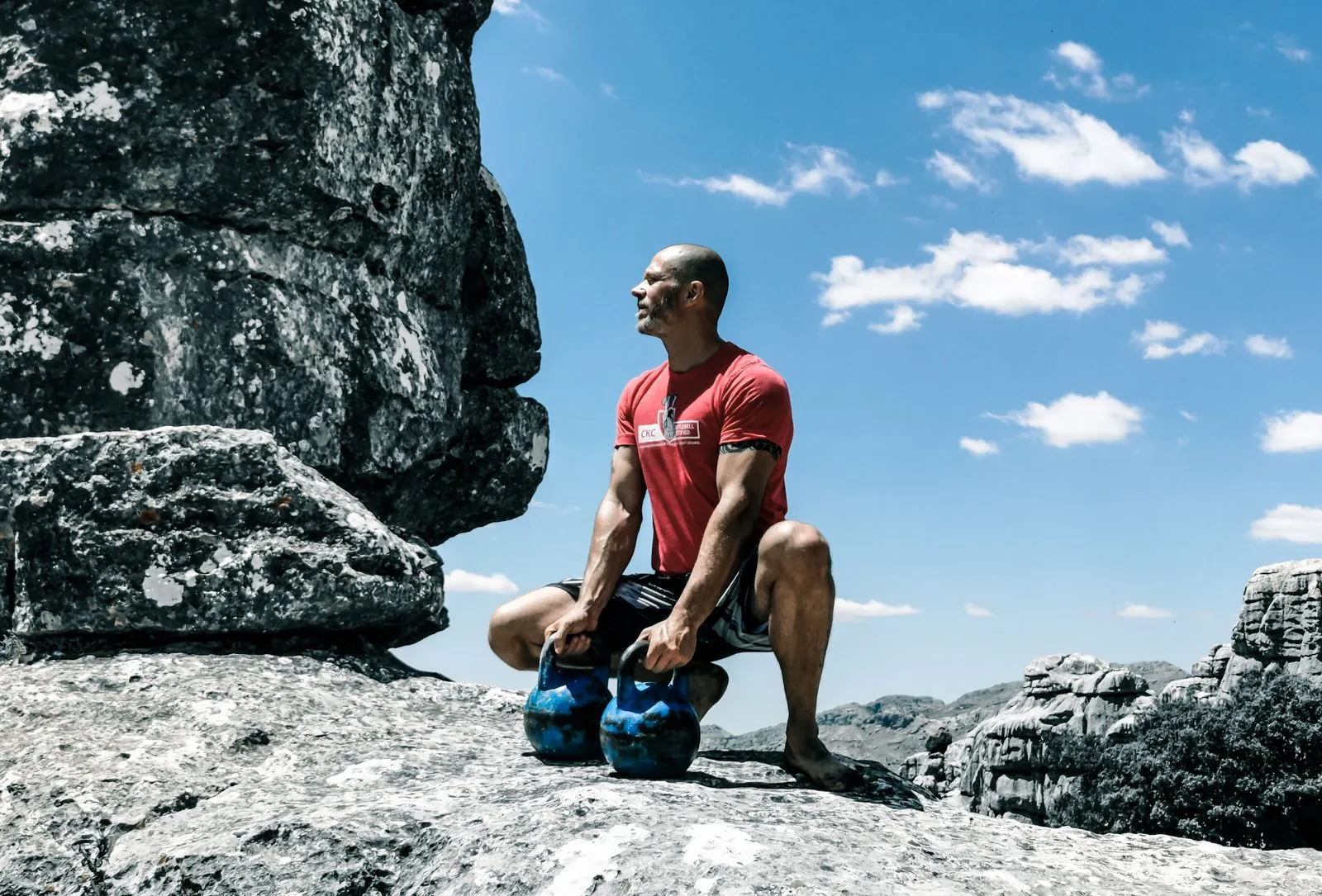
Outdoor training can mean sunshine, a cool breeze, or a quick Sheffield shower—all in one session. The right clothes help you move comfortably without overheating or getting soaked. Start with a breathable base layer, add pieces you can take off as you warm up, and wear shoes suited to the route and exercises. A few small choices, such as socks that stay put and a light waterproof layer, can make your workout feel much more enjoyable.
Build a flexible layer system
Choose a close-fitting base layer made from moisture-wicking fabric, such as polyester or merino wool. It helps move sweat away from your skin during brisk walks, circuits, or hill work. Avoid cotton as your main layer in cool weather: once it gets damp, it can feel cold and clingy. Pick a fit that lets you reach, squat, and swing your arms without pulling or riding up.
Add a light midlayer, such as a long-sleeved training top or thin fleece, when the air feels chilly. You should feel slightly cool before you start moving; you can remove a layer once your body warms up. In milder weather, a breathable top and leggings or shorts may be enough. Bring a small bag or tie-on layer if you want an easy way to carry extra clothing.
Choose shoes for the session
Match your footwear to the surface and activity. Supportive training shoes with a secure fit work well for mixed workouts on paths, grass, and firm ground. If the session includes uneven trails or muddy patches, shoes with more grip can help you feel steady. Check that the heel stays in place and that your toes have room to spread without sliding forward.
Wear socks that fit smoothly and stay up; bunched fabric can rub during a longer session. Break in new shoes before wearing them for a demanding workout, and replace pairs when the sole loses its grip or the shoe no longer feels supportive. If you use custom insoles or have a foot condition, wear the footwear that normally works for you and discuss any concerns with your trainer.
Prepare for Sheffield weather
Check the forecast shortly before you leave, but plan for conditions to change. A lightweight waterproof jacket with ventilation can help during drizzle without trapping too much heat. A cap or brimmed hat keeps light rain and bright sun out of your face, while a thin beanie and gloves can make colder sessions more comfortable. Choose pieces that let you move freely rather than bulky winter layers.
For sessions near dusk or in low light, wear bright or reflective details so others can see you. In warm, sunny conditions, choose breathable, light-colored clothing and bring water. On wet ground, take shorter steps and avoid sudden changes of direction if the surface feels slippery. Keep your phone and any essential items in a zipped pocket or a secure, weather-resistant pouch.
Pack a simple workout kit
Set out your clothes before you leave: base layer, suitable bottoms, training shoes, and one weather-dependent extra. Add water, a small towel, and a spare layer for the journey home if you tend to cool down quickly. If you bring a bag, keep it compact so it does not interfere with movements such as lunges, carries, or floor exercises.
Comfort matters more than a particular brand or a head-to-toe matching outfit. Test your kit with a few squats, lunges, and arm raises at home. Adjust anything that slips, rubs, restricts movement, or leaves you too warm. For outdoor sessions with Peakside Training, ask what terrain and activities to expect so you can choose shoes and layers that fit the plan.
A breathable base layer, removable midlayer, supportive shoes, and a light weather-ready extra will cover most outdoor sessions. Check the forecast, dress for movement, and adjust your kit to the ground and workout. If you are unsure what a planned session calls for, contact Peakside Training before you head out.